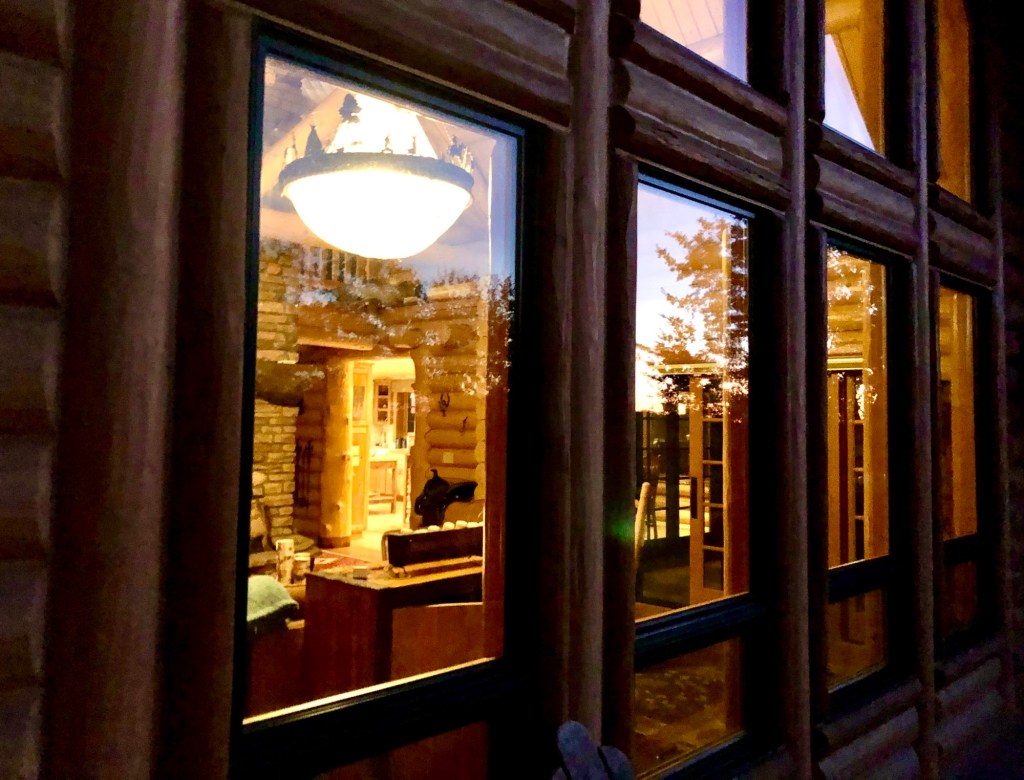
C4 Foundation Ranch Lodge Family Retreat, near Julian, CA
One of the toughest sets of phone calls I ever received was from my best friend & his wife. He was deployed to Afghanistan with SPECWAR units doing HUMINT & counterinsurgency. They had been married a few years, and had an adorable little one. His wife was clearly shaken on the phone and in pain. She explained that my friend wanted a divorce. I had been in their wedding & grown up with him. They named a child after me. We were close. They were close. She had patched him back together and stayed by his side after traumatic injuries. She hoped I could talk to him & help.
I rang his phone, when we spoke, he was direct, “Kit, I fell out of love with Deb here in Kunar.”
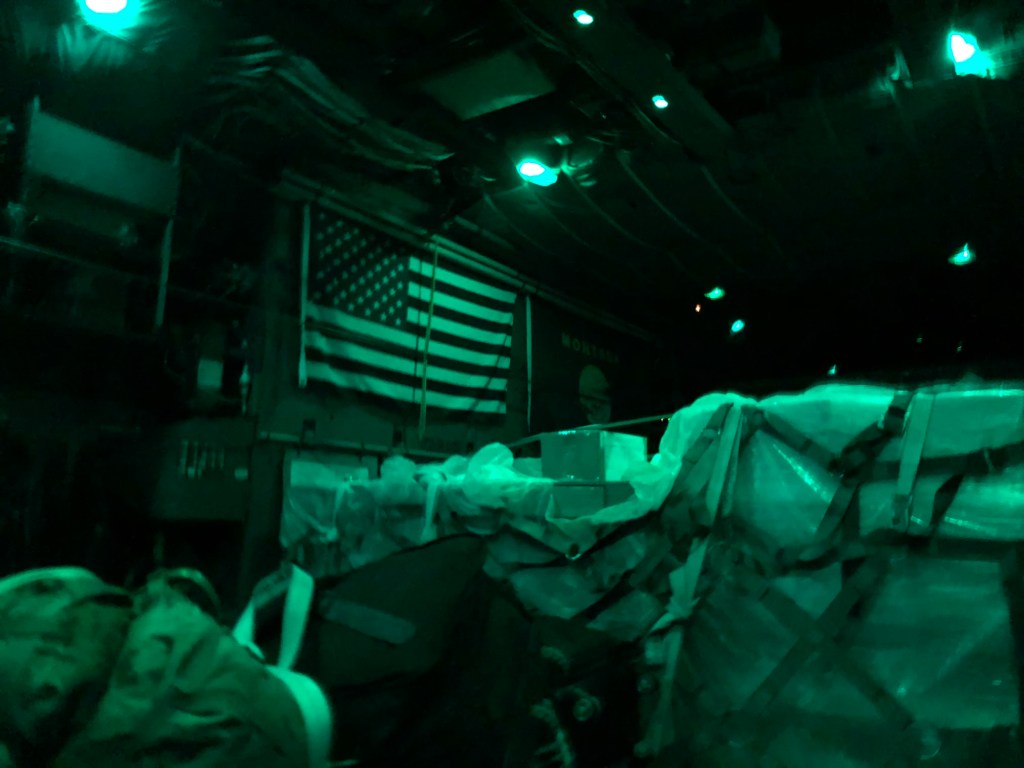
C-130 on Mission, CENTCOM AOR. Thanks USAF.
Inside I was sad, stunned, grieved to my core. He had been honest, but I questioned his thinking. His emotions had shifted, but was love, & marriage itself, a feeling to be fallen out of?
Emotions can grow cold in relationships. Studies show that after about two years of marriage, the feeling of “newness” wears off. Physically the chemicals spiking our infatuation & all the butterflies recede. It is in this time that life with its dynamics, its “heavies” kicks in. It’s normal to ‘lose that lovin’ feeling’. But it’s not forever.
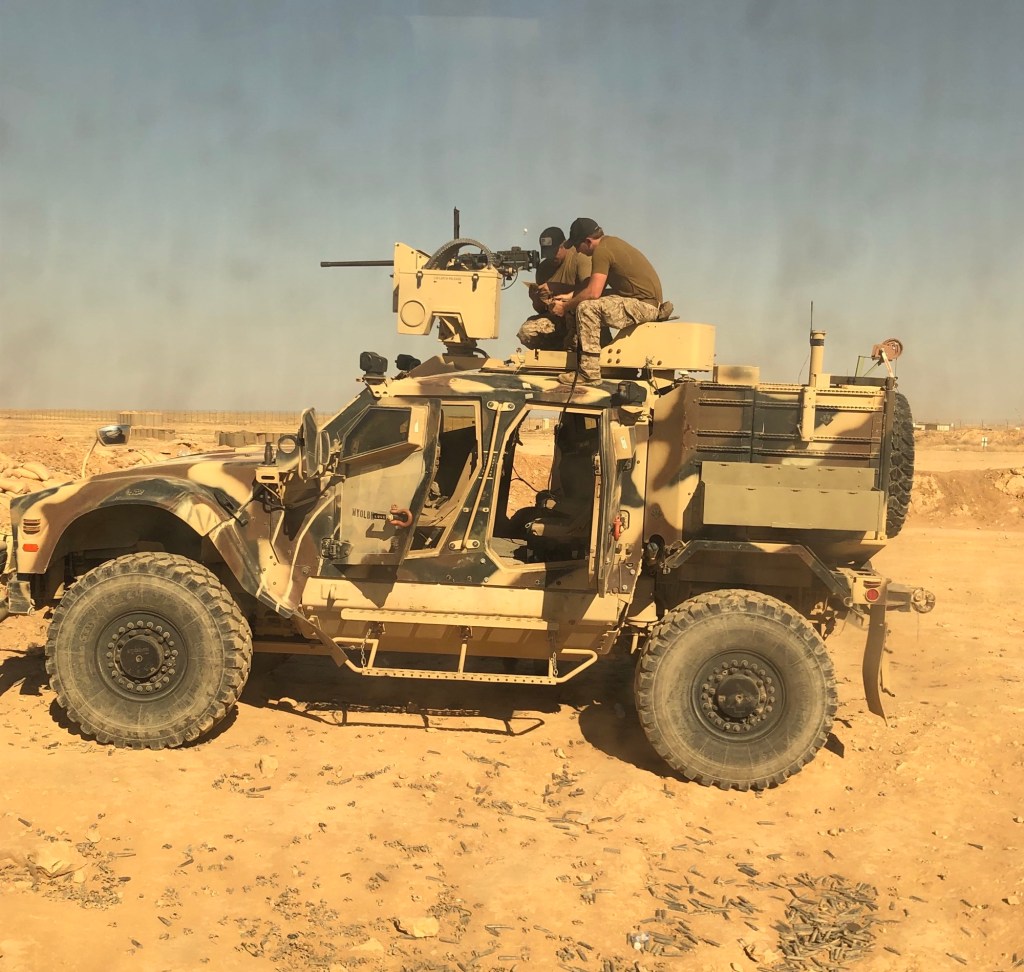
Another Day on the job. Marriage is dynamic. Nurturing it is harder and more rewarding than most of our work forward. CENTCOM AOR.
This is the moment to roll up our sleeves & really dig into the work -the wonder- of loving someone. The butterflies and excitement come back. A Team Guy recently told me, “the best part of marriage, Chaps, is companionship. I had to learn to give more of myself. I had to let myself depend on my wife—allowing that emotional closeness.”
They are twenty years into this adventure. You know what’s awesome? God cares a lot about the outcome, and is close in to help them, & all of us, to succeed.
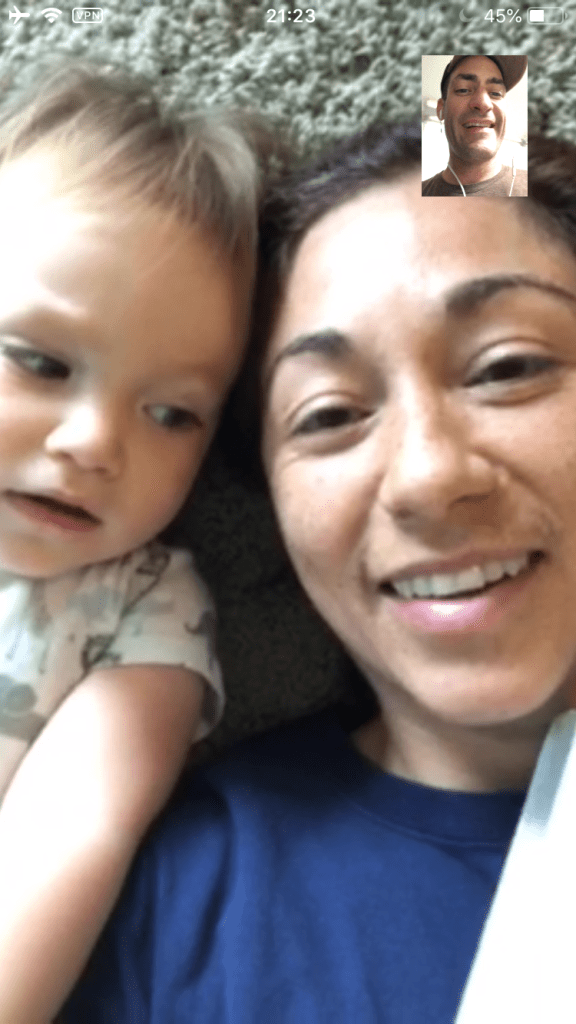
The Carlson family connecting from Iraq to Virginia via FaceTime. Nurturing our love, one phone call , one letter, & email at a time.
Paul’s words to the Ephesian Church lift Christ’s supremacy above all competitors. He urges Christians to be different. In the early 60s CE, the Apostle wrote from a Roman prison to young believers in Ephesus. It was a wealthy, influential, west coast port city in Rome’s province of Asia—modern day Turkey. Home to the 7th Wonder of the World, the great Temple of Artemis was a bustling center of learning, which supported many outlying towns. The Ephesian theater seated 20,000!
Inspired by the Holy Spirit, Paul told them, “Husbands love your wives as Christ loved the Church & gave Himself up for her.” He laid out a way of relating that must have felt foreign to them. To the men, a challenging word, ‘your love should mirror Jesus Christ’s for the Church. For the church is His body. Love your wife as you love yourself. Sacrifice your will, your desires for her best. All the time, no matter what.’ He explained that wives were to respect their husbands & submit to their authority as husbands. For women, from a city dedicated to the feared goddess of the hunt, this was likely a hard pill to swallow.
‘Respect and submit to this man? How can I trust his decision-making & intentions?’
Honestly, this dynamic cannot work in the world. But among Christians it can. Why? Because both want what is best for the other. They both recognize they are equals made in God’s image. The wife, seeking to honor the Lord, yields place to her husband, to protect, honor & cherish her & the family, as Jesus would. The godly husband is locked-on to serve his family & seek his wife’s best & her counsel in all things. But he also ‘owns’ the moment with critical decisions affecting the family’s spiritual & physical well-being.
Think back to times you were deployed or separated from your partner due to operational requirements. Many of us were married, some engaged, many single. Today I share these thoughts with you, because I believe God wants each of us to elevate our belief about marriage, to align our covenantal promises with His truth. Ultimately He’s calling us to deepen our resolve to faithfully love our spouse for the long haul. The journey is an adventure, & the destination’s outcome: enduring love, trust, and half a century of memories & wins. Totally worth it.
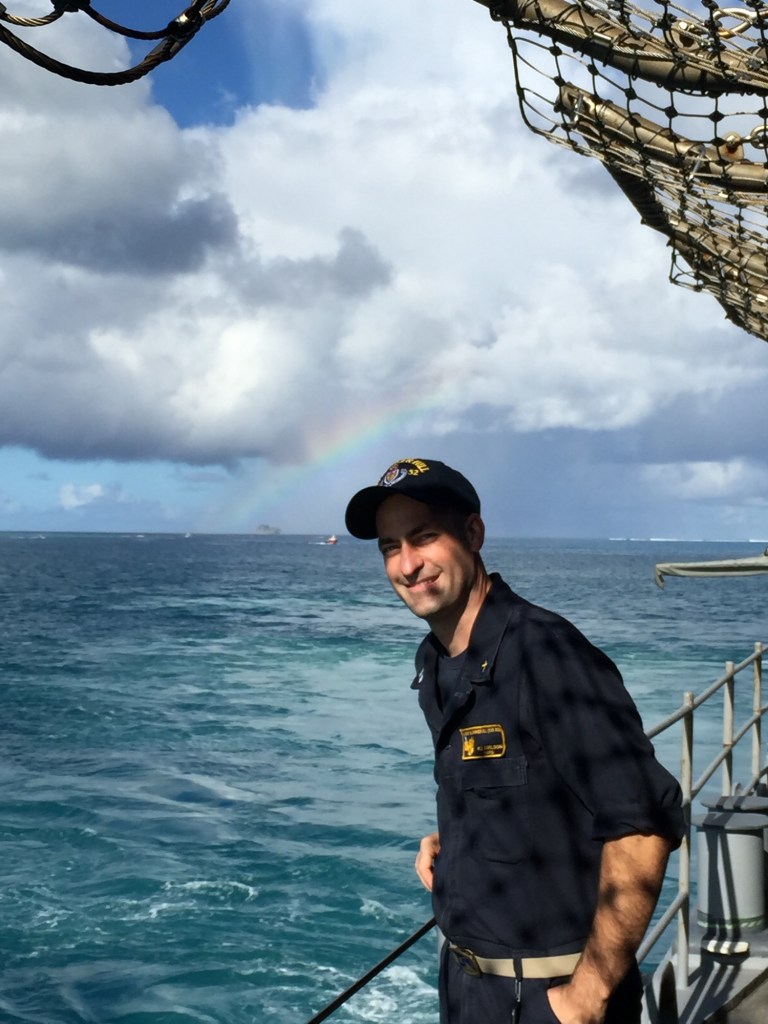
Near Saipan en route to Arabian Gulf & 5th Fleet. We were 7 months pregnant with our child #1
For those considering marriage. I am excited for you. It’s also a great time to look UP, look ahead, & to God for discernment. Check in with wise older friends for counsel that’s specific to your life.
Marriage & family life is quite the Trip! With the Lord in the Center, you will make it! Praying for you today. -Chaps KC
Most Pastors of churches would love a call or text asking them what local workshops or retreats might be good for you.
• Marriage coaching or counseling is a gamechanger! Check in with your Unit Chaplain, Family Life Chaplain (Army) or CREDO Chaplain (USMC, NAVY, Coast Guard), or Base Chaplain (USAF/Space Force). You can also look for a Christian Counselor with an LPC, LCSW, LMFT license or a Biblical Counselor via Focus on the Families Network: https://www.focusonthefamily.com/get-help/counseling-services-and-referrals/
• If you want to listen to podcasts check out material from the Gottman Institute https://www.gottman.com , Love & Respect, with Dr. Emerson Eggerichs has excellent webinars & regular content updates, https://www.loveandrespect.comalso TWJ.org features a podcast with my sister and her husband a retired Marine, Nora White and LtCol. Danny White. They are a blended family who overcame the traumatic auto accident death of Danny’s previous spouse & two children: https://thewarriorsjourney.org/podcast/episode-75/
• 4 Book Recommendations:
The 5 Love Languages Military Edition
Sacred Marriage
His Needs, Her Needs: Building an Affair Proof Marriage
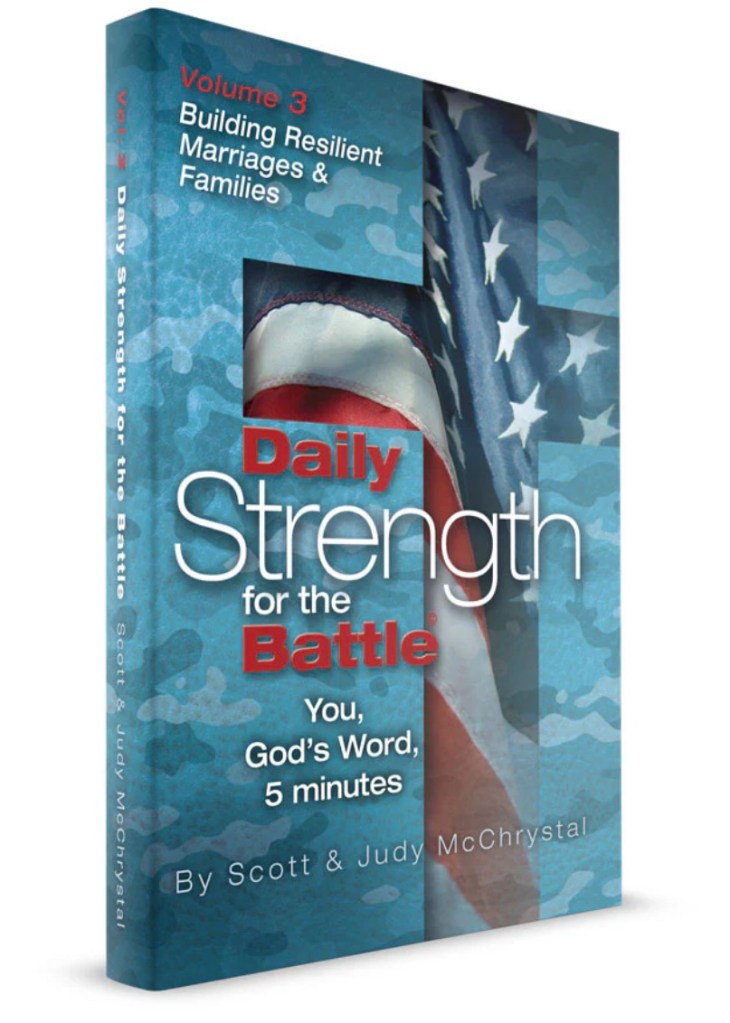
Daily Strength for the Battle (Vol. 3): Building Resilient Marriages & Families
**Names & Locations were altered to protect confidentiality
With my “Chilena”, Dámaris. Pray for us, 14 years, 7 months, 10 days married! We’re praying for y’all.
About Blog Author:
Kit Carlson has served alongside Marines, Sailors, Soldiers & Special Forces, and has completed three deployments. In 2020, the Navy assigned him to Duke University’s Divinity School to earn a specialized Master’s Degree, ThM, in Pastoral Care, where he focused his studies on challenges to Active Duty personnel, Veterans and their families. His specific areas of interest include care for persons with Complex Trauma, strategies for healing from PTSD, Moral Injury, & mild TBI. A key personal mission of his is to leverage the strengths of faith-based Veteran Service Organizations as strategic partners to chaplains, the VA, and the DoD in their ongoing resiliency & suicide prevention initiatives. He is married to his Chilean sweetheart, Damaris. They have two young children, who are the delight of their hearts.
Author: Chaplain Kristian Carlson, M.Div. (Assemblies of God Theological Seminary), Th.M. (Duke Divinity School)
“God brings healing in pastoral care through friendship.” Dr. Anna Kate Shurley
Liz Carlson, The Author’s Sister, who lives with IDD
The Views of this Post are the Author’s and Do Not Reflect Endorsement by the Department of Defense
PART 1: The Prevalence of Trauma Among Those with IDD and a Faith-Based Healing Paradigm
In this post I want to talk about the prevalence of trauma among those with intellectual and developmental disabilities (IDD) and share a healing model which draws insights from theologian, and elementary school teacher, Dr. Anna Kate Shurley. Her paradigm is called the pastoral friendship group model.
Christine Kelly, a Canadian disabilities scholar, writes about the ethics of accessible care. In one of her articles, the reality of abusive care caught my attention.[i] She supported a disabled man without IDD, Killian. [ii] As Kelly shared about Killian’s vulnerability of needing daily support for living, to include help going to the restroom, she wrote, “the potential for daily practices of ‘care’ to veer into pain and oppression is high… the abusive side of care cannot be removed from academic and public understandings.”[iii] Sadly, studies show that abuse of those with IDD is common.[iv] Shelly Rambo, a trauma theologian, explains the complexities of trauma, how it continues and “persists in the present.” In the aftermath some feel “sad all the time.” Trauma is like “an encounter with death…a radical event, or events, that shatters all that one knows about the world and the familiar ways of operating in it.” [v] Trauma’s serious impacts and its prevalence lead me to wonder if churches are ready to be agents of healing alongside traumatized persons with IDD.
I know firsthand a little bit of how trauma and abuse are commonly experienced by those with IDD. In high school at age 17, my sister Liz’s beloved special education teacher, Linda Baisch, died by suicide.[vi] I will never forget hearing the shocking announcement that came that October morning over the school intercom of her death and then seeing my sister’s tears, red face, and swollen eyes, full of inexpressible anguish. Trauma may arise in those with IDD from indirect sources, like the sudden death of loved ones, it may also come directly from abusive behavior of family or care providers.
My sister Liz has chosen not to marry. She has someone special to her heart, Michael, an autistic man from Virginia Beach. Twenty-five years after they attended school together and youth group, he still calls her and sends flowers on occasion (via his mother). But Liz has also received unwanted attention from people which has scared her. She loves to be dropped off at the Post Exchange Shopping Center in Fort Leonard Wood, Missouri. She will shop, buy a drink or lunch snack, wander the stores and relax enjoying some autonomy. One day, a man approached Liz and acted inappropriately to her, rubbing her shoulders and asking her to come to his home. My mother could tell when she picked up Liz, that something was wrong. Liz, with effort, explained what had happened. Thankfully, she was never a victim of worse abuse. But many children and adults with IDD are.[vii] In the next section I want to explore some excellent clinical therapies for IDD persons who have suffered trauma and discuss ways that pastors and Christians can minister in Christ-honoring, trauma-informed ways to IDD persons.
Part 2: Exploration OF Trauma among those with IDD and a Call to Respond to Their Needs
The prevalence of trauma is likely much higher than most pastors understand. The issue presents a justice issue that Christians should consider. The National Child Trauma Support Network (NCTSN) cites a report that, “Children with developmental disabilities are twice as likely as those without IDD to experience emotional neglect and physical or sexual abuse; twice as likely to be bullied; and three times as likely to be in families where domestic violence is present.” [viii] Not only are such individuals more dependent, but they are likely to be more physically and emotionally vulnerable. A leading disabilities researcher, Dr. John Keesler, warns that incidences of trauma are being missed among those with IDD. They may lack verbal speech. They may appear behaviorally to act out in disruptive ways. They may feel ashamed, or uncertain of the words to use to describe their experience. He advocates for “trauma-informed-care” due to the “prevalence of trauma” across the IDD population and the potential that it is the “root cause of an individual’s distress.” [ix]
Thankfully, first line trauma-specific treatments for persons with IDD exist and have been shown to be effective. They include Trauma-Focused CBT, child–parent psychotherapy, exposure therapy, trauma-focused cognitive behavioral therapy, eye movement desensitization and reprocessing therapies. [x] In addition, clinics are emerging around the country with specific focus on treating IDD children with trauma. NCTSN has released a tool kit engineered specifically to help “clinicians disentangle what might be symptoms of trauma from behaviors related to IDD.” [xi] But Dr. Keesler cautions that ineffective therapies–medication and behavior supports– have been predominately used among the IDD population to address trauma.[xii]
The availability of trauma-informed care for children and adults with IDD is a justice and access issue for the Church. [xiii] Scholar and Rabbi Julia Watts Belser mourns the frequent subjugation of the bodies of the disabled and warns that too often the church hasn’t been “physically accessible or socially hospitable”: the healing site that God intended. [xiv] Perhaps what inhibits pastors and Christians from ministering to traumatized individuals with IDD is fear from lack of training, but also a subtle ableism, which perhaps unconsciously, has a low estimation of such persons’ ability to experience healing.[xv] Trauma Theologian Kathy Black urges us to action, “Where are the leaders today who are willing to stop and model attention to and respect for those on the margins?” [xvi] Dr. Barton concurs, adding that the Bible’s call for justice motivates Christian communities to “confront injustices related to access and disability.” [xvii] In the concluding section I envision a model which could help advance traumatic healing resources at churches that is widespread and easily accessed by those with IDD and their family in Christ. [xviii]
Part 3: a Path Forward
Dr. Judith Herman, a foundational thinker in complex trauma care, explains the trauma recovery steps. They begin with a healing relationship and safety, then progress to remembrance and mourning, and into reconnection. Dr. Keesler advocates that providers learn trauma-informed care (TIC) to “reduce further harm and begin the healing process.” [xix] The foundations of such care—safety, trustworthiness, choice, collaboration, and empowerment—are nourished in “positive human relationships.” [xx] While Keesler wrote not for churches but for the therapeutic community, the foundations of TIC he encourages match well with insights from disability theologian Anna Kate Shurley’s pastoral friendship model. Her model adapts well to trauma-informed ministry settings.
Her description of intentional small groups within a congregation called “Pastoral Friendship Groups” (PFG) seems ideal for the healing and safety needed by traumatized IDD adults. She explains that in pastoral friendship, “Christians engage one another gladly in the practices of mutual sharing, listening, and assisting. They do so… [from] the koinonia that is central to Christian care.” [xxi] In these groups, “members may acknowledge losses, traumas, or grief they have suffered and share what they need in order to experience healing.” [xxii] Other practices of the PFG meetings might include, “lament, intercession, reciting the Lord’s prayer, and singing together.” [xxiii] Shurley argues that, “Not even the most profound intellectual disability can keep a person from participating in a loving, caring, pastoral friendship.” [xxiv]
Insights from other disabilities theologians could be incorporated into Shurley’s friendship group model. PFG “leaders” could weave into the ethos of their ministry alongside IDD brothers and sisters the ability to “remain” in the difficult in-between spaces of trauma.[xxv] Please see Appendix 1 for trauma-informed principles which might support pastoral-friendship groups led among those with IDD who have survived trauma.
It is important that pastors not just refer out persons with IDD who experience trauma. If all therapeutic care for IDD adults with trauma flows from medical and social work providers but not from Christian community, significant spiritual needs will be unmet. Having a fantastic therapist, or participating in a 12-week trauma small group, cannot replace life-long Christian community. [xxvi]
Conclusion: The Witness of our IDD Sisters and Brothers
I would like to close with a story of a traumatic incident which happened to my sister Liz. I share the story to illustrate how beautiful prophetic insights, needed by the Church, can arise after trauma is experienced by those with IDD. These people of God brighten the witness of the Church and underscore the mutuality of pastoral friendships. Shurley explains, “People with intellectual disabilities…need to hear the good news that God has equipped all of God’s saints for ministry-including them.” [xxvii] A scholar and parent of a child with IDD, Jill Ruth Harshaw, writes in accord: “Persons with intellectual disabilities (must be) recognized as those who have something important, even vital, to say to the church and to individual believers who seek to live an authentically Christian corporate and personal life in an increasingly volatile world.” [xxviii]
My sister Liz experiences significant mobility problems due to large motor skill difficulties and the heavier weight of her body. When my parents were away from home one day, she tripped on a rug when the flooring bowed under her. She fell and hit her face on a wooden end table. The fall was so hard that it broke a piece of the table. In this traumatic event, as her face was bleeding profusely, her tooth jammed deep in her gum, and her upper lip severely cut, she felt God’s near presence. Privately she later told my mother that God said to her, “Do you trust me Liz?” She answered, “Yes.” She then told my mom that she felt an angel help her get up from the floor. What a witness to my family of God’s healing, constant presence! This is the kind of rare testimony that will edify the Church.
There seems to be the possibility for truer witness in the Church if we will love well the persons with IDD in our midst who have experienced trauma. This witness will act with the compassion of the Samaritan; it will use the healing hands of the Great Physician; it will speak with the tenderness of the Lord who called his own, “friends.” Pastors, who are trauma-informed in this way, will help churches to “think trauma”[xxix] as they engage those with IDD and equip Christians to minister with these beloved fellow women and men of God.
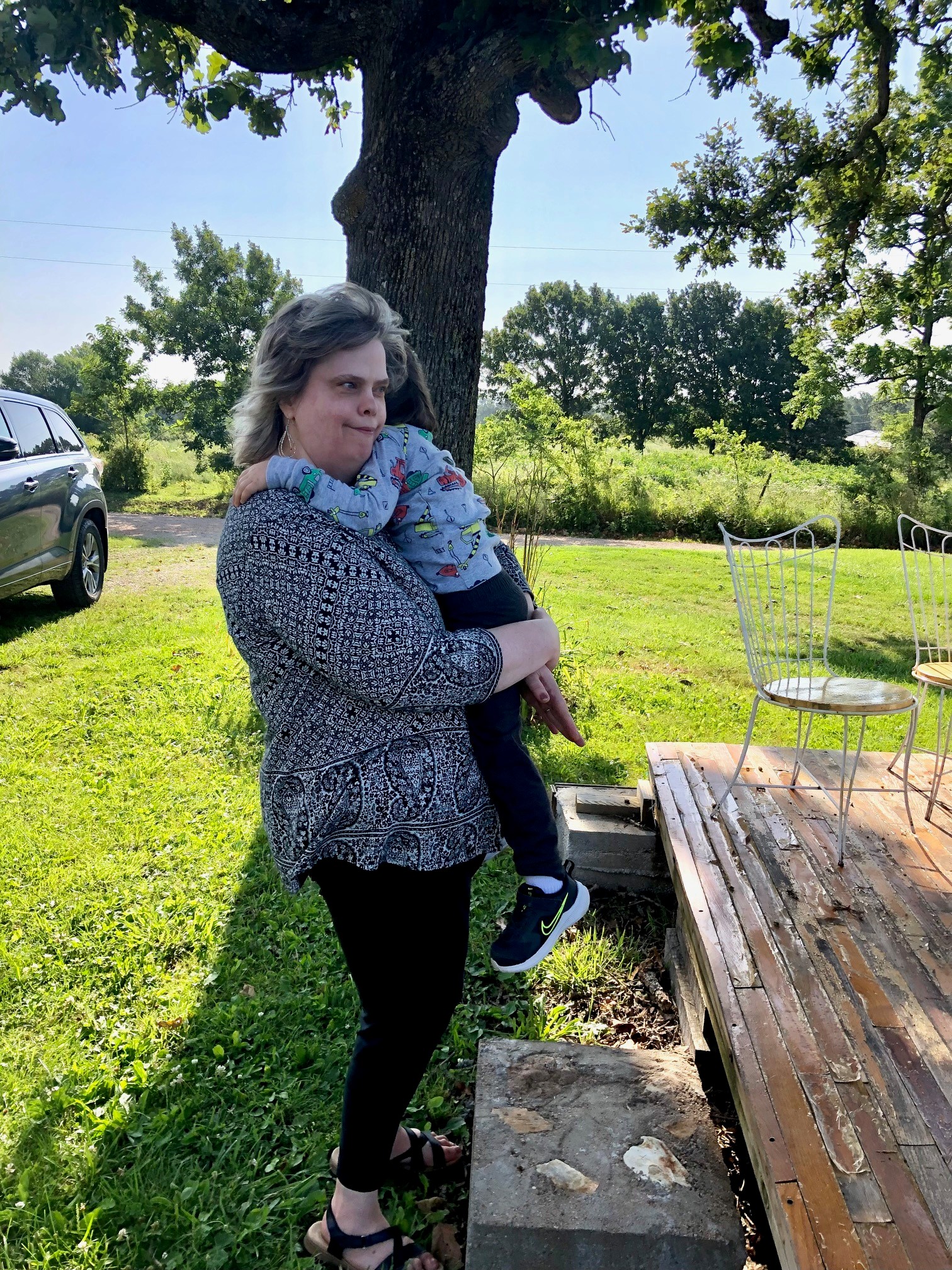
Auntie Liz, beloved by 28 nieces and nephews–is also a woman admired by many for her faith, joy and wisdom
*Wong, Alice. 2020. Disability Visibility. New York, NY: Vintage Books.
APPENDIX 1: Trauma-Informed Care Principles for Pastoral Friendship Group’s among Traumatized Persons with Individual and Developmental Disabilities
Interdependent Community
Kathy Black explains how healing emerges from “interdependent Christian Community” and happens when the well-being God offers is experienced.” [xxx] She notes how healing of inner wounds leads to well-being and peace.
Being in friendship groups with traumatized persons with IDD will likely be a long-term healing process. Dr. Barton writes that “it can become easy in stressful or serious situations to focus on problems or deficits.” [xxxii] She advocates a ‘strengths-based approach’ in disabilities work. Pastoral friendship groups could take Barton’s idea and apply it in healing ways to traumatized persons with IDD. Focus on each person as a gift! One must persevere to see their strengths in the midst of their loss, confusion, and perhaps non-verbal cues of pain.
Appropriate Physical Touch Can be Healing [xxxiii]
Black writes, “God can transform our lives through the healing touch of an interdependent community of faith.” This reminds me of my friend Michael’s question to me, “Will I ever get a hug again before Jesus comes.” Michael has moderate to severe autism. The restrictions of the pandemic have kept him from the physical touch at church and in public that sustain him. Bethany Fox explains that at her church, each person has different levels of touch with which they feel comfortable. Attendees wear corresponding color name tags to explain this. In a trauma-informed group, sensitivity to need for appropriate touch or no touch would be very important. But given that so many adults with IDD are especially sensory in communication, there is no doubt that touch be healing in the safety and koinonia of Pastoral Friendship groups.
Healing is Possible
“Recognizing wholeness”, a principle of disability justice points to such healing and seems crucial to developing a trauma-informed pastoral care model for those with IDD. [xxxiv] Jill Ruth Harshaw’s thought pushes us to consider how even those with profound IDD can experience healing. She explains, “The crucial factor here is not human ability or disability but the accompanying presence of God.” [xxxv]
The Beauty of Each Person
Another principle of disability justice is “Collective Liberation”: “A world in which every body and mind is known as beautiful.” [xxxvi] How broken and isolated must be the hearts and minds of those with IDD who have experienced complex trauma, especially from attendants and family members whom they trusted and depended upon. What courage and difficulty to voice, or show without words, their pain, and hope for healing.
Compassion and Empathy
Kathy Black writes, “Whenever we struggle in life, God sits beside us & helps us cry.” [xxxvii] Fox, who pastors among persons with IDD, advocates for “presence with compassion.”
Respect
What does the traumatized person with IDD want? How do they perceive healing? Bethany Fox reminds us that Jesus asked those to be healed what they desired.[xxxviii] Fox offers seven principles for healing which could inform Pastoral-Friendship care being developed by a church.[xxxix] Her reminders are insightful: attend to the body in healing and transformation, remember how healing will impact and open doors to transformation of the larger community, clarify identity, and finally, enlarge imagination.
END NOTES
[i] Kelly, Christine. 2013. “Building Bridges with Accessible Care: Disability Studies, Feminist Care
Scholarship, and Beyond”. Hypatia. 28 (4): 784-800. Dr. Kelly writes from a Feminist and Disabilities perspective.
[ii] Kelly, Christine. “Building Bridges.” 786. Kelly writes about the “about entangling quality of the gendered politics of care.”
[iii] Ibid, 790-91. Kelly writes further, “These moments are awkward because they make us acutely aware of the layered power dynamics inherent in our female/male, disabled/ nondisabled, and clothed/unclothed embodiment that we more typically prefer to ignore, as it brings the abusive potential of care uncomfortably close to the surface.”
[iv] Trauma and Intellectual/Developmental Disability Collaborative Group. “The impact of trauma on
youth with intellectual and developmental disabilities: A fact sheet for providers.” 2020. 2. Los
[v] Rambo, Shelly. Spirit and trauma: theology of remaining. Louisville, KY: Westminster John Knox Press,
2010. 2-4.
[vi] I have mentioned my sister Elizabeth “Liz” Carlson in a previous paper. She has significant intellectual and development disabilities likely stemming from partial paralysis of her brain at birth due to a lack of oxygen. Her teacher, Linda, was a compassionate friend, and light to the young people she served at Cox High School.
[xii] Keesler, J.M. “Trauma‐Specific Treatment.” Keesler cites two studies, “Furthermore, despite a lack of evidence, psychopharmacology and behavior supports have been the dominant modes of treating trauma sequelae within this population due to a lack of trauma-specific treatments (Barol & Seubert, 2010; Fuld, 2018; Willner, 2015).
[xiii] Barton, Sarah Jean. 2021. “Access and Disability Justice in Theological Education.” 1. Barton notes access as a disability justice issue, “Accessibility proves a pressing area of needed investigation and intervention.”
[xiv] Belser, Julia Watts. 2015. “Violence, Disability, and the Politics of Healing: The Inaugural Nancy Eiesland
Endowment Lecture”. Journal of Disability & Religion. 19 (3). Quoting Eisland Belser writes, “The history of the church’s interaction with the disabled is at best an ambiguous one. Rather than being a structure for empowerment, the church has more often supported societal structures and attitudes that have treated people with disabilities as objects of pity and paternalism. For many disabled persons, the church has been a “city on the hill”—physically inaccessible and socially inhospitable.” 185. She shares the thought of Jasbir Puar that, “Bodies bear the consequences of ethnic, gender, and class marginality…a pervasive experience of subjugated bodies. Disability is central to the corporeal architecture of domination.” 191.
[xv] Belser, Julia Watts. “Violence, Disability.” 194. Belser addresses that “ableist notions of disability as a pitiable state overwrite the resilience, the grit, the agency of disabled bodies.”
[xvi] Black, Kathy. 1996. A healing homiletic: preaching and disability. Nashville: Abingdon Press. 186.
[xvii] Barton, Sarah Jean. “Access and Disability Justice” 7. Barton cites Jennie Weiss Block.
[xviii] Belser, Julia Watts. “Violence, Disability.” 187. “But this is the power of eschatology: to dare us to dream, to unmoor our hope from the fetters of the feasible.”
[xix] Keesler, J.M. “Trauma‐Specific Treatment.” 343. He explains that professional licensing and graduate level training is not required to learn trauma-informed care principles. It is something that “all…providers” can provide.
[xxv] Rambo, Shelly. Spirit and trauma: theology of remaining. Louisville, KY: Westminster John Knox Press,
2010. “Remaining” is a key idea of Rambo’s in ministering to those who have experienced complex trauma.
[xxvi] Wong, Alice. 2020. Disability visibility. New York, NY: Vintage Books. Part Two of Wong’s book (85-89) features Ricardo Thornton. Thornton (a man with IDD) testified to the Senate after growing up in a state-run home, “There’s no such thing as a good institution.” Many persons with IDD are all too familiar with the deficits of institutional care.
[xxvii] Shurley, Anna Katherine Ellerman. “Pastoral care”, 100-101.
[xxviii] Harshaw, Jill Ruth. 2010. “Prophetic Voices, Silent Words: The Prophetic Role of Persons with Profound Intellectual Disabilities in Contemporary Christianity.” Practical Theology. 317.
[xxix] The National Child Traumatic Stress Network. “Intersection of Trauma and Disabilities: Tookit.” 1.
[xxx] Black, Kathy. 1996. “A healing homiletic.” Black succinctly writes, “God wills our well being.”
[xxxi]Shurley, Anna Katherine Ellerman. “Pastoral care”, 99.
[xxxii] Barton, Sarah. “Discipleship and Disability Class: Pastoral Care and Practical Reflections Mini Lecture.” PDF, Duke Divinity School, Durham, NC, March 1st, 2021.
[xxxiv] Barton, Sarah Jean. “Access and Disability Justice” 10. Barton cites Berne et al., “Recognizing wholeness: ‘People who experience access and learning barriers are whole people. This principle of disability justice frames each individual, whether disabled or nondisabled, as ‘full of history and life experience…composed of their own thoughts, sensations, emotions, fantasies, perceptions, and idiosyncrasies.’”
[xxxviii] Barton, Sarah. “Discipleship and Disability Class: Implications for Christian Ethics Mini Lecture.” PDF, Duke Divinity School, Durham, NC, March 15th, 2021. Barton cites Dr. Bethany Fox’s Chapter 5 from “Disability and the Way of Jesus.”
[xxxix] Swinton, John, and Bethany McKinney Fox. 2019. Disability and the Way of Jesus: Holistic Healing in the
Gospels and the Church. Downers Grove: InterVarsity Press. Rev. Dr. Fox, Founder of Beloved Everybody Church, offers this excellent list of “Seven Marks of Healing in the Way of Jesus. 1.“Positive Reception by the Person Receiving Healing 2. “Attention to the Body and its Healing/Transformation.”3.“Presence with Compassion 4.“Impact on and Transformation of the Larger Community.” 5.Clarifying Identities” 6.“Transformation on Multiple Levels 7.“Expanding categories and enlarging imagination.
[i] Shurley, Anna Katherine Ellerman. “Pastoral care”, 90. “Pastoral Caregivers are not healers; they are agents of God’s healing though the power of the Holy Spirit.”









 Kristian Carlson
You must be logged in to post a comment.